


 At the age of five, I was diagnosed with psoriasis; a chronic autoimmune disease that results in itchy or ‘scaly’ patches on my skin. The symptoms of the disorder can be painful and often interfere with a person’s sleep. As a child, I was occasionally the victim of bullying from my peers because I visually looked different than other students my age. I was embarrassed to show my skin out of fear of being judged and I dreaded the summer months because it made it more difficult to hide my difference. To compensate, I would typically opt for longer sleeved attire to cover up any indications of psoriasis. This was not always an easy task, and I became increasingly concerned that someone would take notice of my skin. Common triggers for the disorder typically included cold or dry conditions, various medications, sunburns, infections and more. The condition became even worse during middle school and I began to notice the significant toll it was taking on my mental health. However, I was very privileged and lucky to have the support of loved ones to lean on as I went through the process of seeking treatment.
Growing up in a single parent household, my mom was always there to support me with my difference and helped me gain access to resources for help. She saved up money to allow me to try different options for support and ensured I was able to visit specialists in the city. Because I was the first in my family to have a skin disease, there was a lot of information we did not know about initially and it took several years to adequately navigate my health.
As an adult, I have been able to manage my condition well, although I still experience flare ups on a regular occasion. To get through it I remind myself to be patient and to focus on both my physical and mental health. There are certainly good days and bad days with this difference, and it can be a challenge. However, with the help of friends and family, I have learned to lead a life that makes me feel genuinely happy and fulfilled. I have begun to recognize that my difference is part of who I am, and it is something that makes me unique. I feel very grateful to have had access to these opportunities and I am proud to say that I no longer hide who I am.
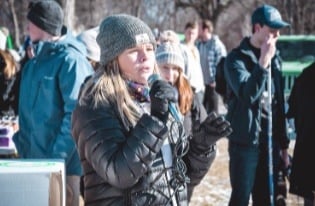 In my first year of university, I had also started an organization of my own called Big Spoon that provides cooking classes and life-skills workshops to youth with disabilities and their siblings. I have been so grateful to see so many other young people stepping out of their comfort zones and celebrating their differences. If I could provide advice to my younger self, it would be to understand that confidence is a skill that takes practice. It is critical to be patient and to trust the process, you never know where you will end up!