
Building an inclusive classroom is key to ensuring every student feels valued and supported. Now is the perfect time to establish a classroom culture that embraces social-emotional learning (SEL) and encourages students to celebrate what makes them unique, both inside and out.
Here are some of our go-to strategies to help you create a warm and welcoming classroom.
For additional support, check out resources like the Project Flaunt Hub Teacher Guide to strengthen your SEL instruction.
1. Set Clear Expectations for Respect and Inclusion
Start the school year by highlighting the importance of respect, empathy, and inclusion. A great way to introduce these concepts is by using a short story or passage.
For example, the “We All Have Differences” reading passage from the Project Flaunt Hub Teacher Guide helps students appreciate diversity and understand why treating others with kindness is so important. The passage introduces characters with both visible and invisible differences, which sets the tone for a classroom that celebrates each student’s individuality.

After the discussion, work together with your students to create classroom agreements that emphasize respect, inclusion, and empathy. This will give them a sense of ownership over the classroom culture, ensuring that everyone feels safe and respected.
2. Design an Inclusive Classroom Layout
Creating an inclusive learning environment starts with designing a space where all students feel comfortable and can thrive. Consider using flexible seating arrangements, like desks, tables, or floor cushions, to accommodate different learning needs. This way, everyone can find a spot that works for them.
It’s also important to make sure classroom materials are easily accessible to all students. The resources in the Project Flaunt Hub Teacher Guide are adaptable.
- They can be used independently, projected on a smart board for group discussions, or integrated into digital platforms like Google Classroom.
- You can even use adaptive devices with the Kami Chrome Extension to meet the diverse needs of your students.
This flexibility allows you to meet the diverse needs of your students and make sure everyone feels included in every aspect of your teaching.

Adding resources from the Teacher Guide into Kami makes it easy to adapt for digital or assistive devices.
3. Use Diverse Learning Materials
Using a wide variety of learning materials is essential for promoting diversity and inclusion in education. Choose books, media, and resources that reflect a wide range of cultures, backgrounds, and abilities. This not only normalizes differences but also helps students appreciate the unique qualities of their peers.
You’ll also want to incorporate research-based SEL activities for your students. The Project Flaunt Hub Teacher Guide provides valuable materials that showcase a variety of perspectives. Lesson resources like the “We All Have Differences” reading passage and the Peacock Activity Sheet encourage students to reflect on their own visible and invisible traits, fostering self-awareness and empathy. Plus, they’re aligned with the CASEL Competencies to support your SEL goals!
4. Foster a Sense of Belonging
Creating a classroom where every student feels they belong is crucial for their emotional and academic success.
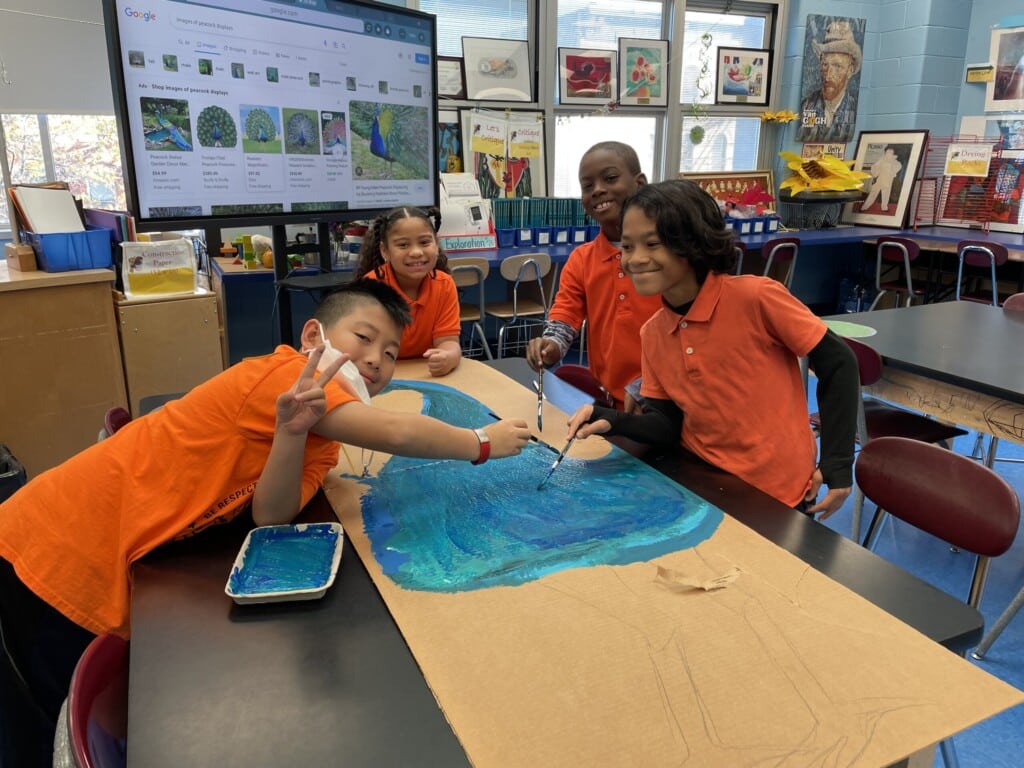
Let your students add their personal touch to the classroom by displaying their artwork or sharing what makes them unique. A fun activity you can try is the “The Things That Make Me, Me” Peacock Activity from the Project Flaunt Hub Teacher Guide. Students can write about and proudly flaunt their differences on peacock feathers. It’s a great way to show them that their differences are celebrated and create a vibrant classroom display that highlights the value of diversity!
Throughout the year, make it a point to celebrate different traditions. Recognizing and learning about your students’ cultural, religious, and personal backgrounds will help them feel valued and represented, fostering a true sense of belonging in your classroom!
5. Promote Open Communication
Encouraging open communication is vital for building social-emotional learning skills. It’s important to create a safe space where students feel comfortable sharing their thoughts, experiences, and feelings. Consider holding regular classroom discussions or morning meetings to encourage students to express themselves in a supportive environment.
Providing feedback is another key aspect of open communication. Focus on feedback that promotes growth and understanding, reinforcing a growth mindset in education. Instead of solely pointing out mistakes, help students see challenges as opportunities to learn and grow.
By implementing these strategies, you can create an inclusive learning environment where every student feels cared for, appreciated, and heard. Your classroom will become a positive, welcoming space where diversity is celebrated!
For more ideas on integrating SEL into your classroom and a ready-to-go lesson plan, visit Project Flaunt Hub.