Have you ever felt stuck trying to fit social-emotional learning (SEL) curriculum and standards into your classroom activities?
SEL is more than just a buzzword. It’s a tool for creating inclusive learning environments and encouraging positive self-esteem in students.
But it can be tricky, especially with a diverse group of students, each with their own special traits and diverse learning needs. And you’re not alone if you’re struggling to identify differences and nurture a growth mindset in your students.
Instead of just noticing students’ differences, why not celebrate them?
At Don’t Hide It, Flaunt It, we’ve developed a practical, free resource to help highlight what makes each child in your classroom special. The Project Flaunt Hub Teacher Guide: Celebrating Differences provides an excellent framework for this. This standards-based SEL lesson plan teaches students that, “The things that make me different make me me.” It helps them describe their visible and invisible differences and learn to appreciate the unique qualities of their peers.
What is SEL?
SEL is the process of teaching students how to grow and practice emotional intelligence. It’s often overlooked with so many academic subjects competing for attention during the school day. But practicing relationship skills and developing self-awareness is essential for navigating school and life.
Having a classroom of students with high social-emotional intelligence allows every student to feel seen and valued. It helps students understand themselves, control their feelings, and show kindness. When teachers encourage positive relationships and celebrate differences, students feel welcomed and valued. And to make the process simple for you, we’ve come up with five ways teachers can foster a safe and accepting classroom community.
1. Integrate SEL into Daily Routines
Yes, we know this one is tough to squeeze in, but when you build the time into your classroom routine, you’ll find that it improves the whole day. Kick-off each day with a morning meeting, where students can share their feelings and experiences. This daily practice builds a sense of community and encourages students to express themselves, while also teaching them to listen empathetically to their peers.
Add a “Flaunt It Moment” to your morning meetings, inspired by the Project Flaunt Hub Teacher Guide. In this activity, one student shares a unique trait from their “Things That Make Me, Me” peacock feathers. This simple, yet powerful activity helps learners develop self-confidence and respect for their individuality.
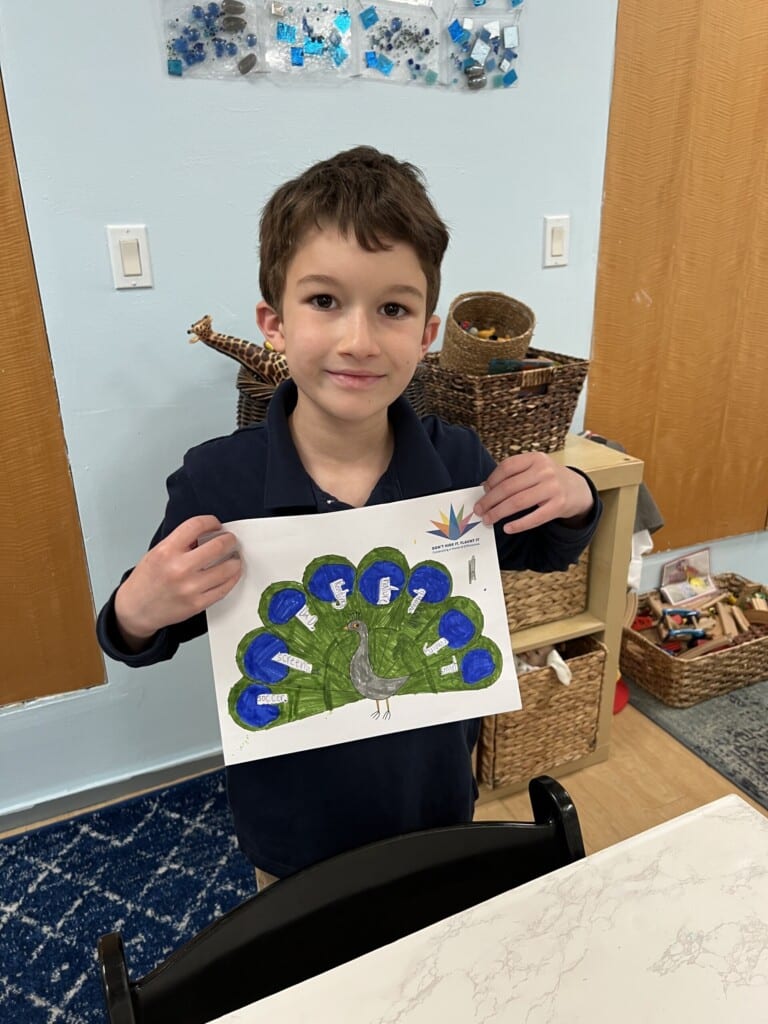
Students love sharing what makes them different!
We also love incorporating regular emotional check-ins using tools like mood meters or emotion charts. These check-ins could be done during your morning meeting or as a brain break throughout the day, allowing students to identify and communicate their feelings. Any daily moments you can use for building emotional intelligence will create a supportive space where students feel safe sharing.
2. Teach SEL Skills Through Classroom Activities
The Project Flaunt Hub Teacher Guide offers research-based lessons that encourage students to explore and celebrate their differences. Through activities like the “We All Have Differences” reading passage and the Peacock Activity Sheet, students reflect on what makes them unique and develop appreciation for the diversity in their classroom.
Group projects also provide opportunities to use their social-emotional intelligence. Students are able to work together, practice communication, and develop teamwork skills. By encouraging collaboration, you reinforce the importance of understanding and respecting others’ perspectives – a key outcome of SEL.eds of your students and make sure everyone feels included in every aspect of your teaching.
Adding resources from the Teacher Guide into Kami makes it easy to adapt for digital or assistive devices.
3. Model Positive Behavior & Celebrate Diversity
Teachers play a crucial role in shaping classroom culture. Model respect, empathy, and acceptance in your interactions with students. (We know you’re already a pro at this, but a reminder is always a nice touch.) When you lead by example, students are more likely to replicate these behaviors in their own relationships.
Celebrate the diversity within your classroom through discussions and displaying student artwork that highlights different cultures, backgrounds, and perspectives.

Your students will feel so much pride when they walk past their work on display!
Regularly incorporating SEL topics like kindness, acceptance, and the impact of bullying will deepen students’ understanding and foster a more inclusive atmosphere.
4. Provide Opportunities for Reflection
Encourage students to reflect on their unique traits by writing or drawing about their differences. The Project Flaunt Hub Teacher Guide provides structured reflection activities like the “Expressing Differences” writing and art projects. These exercises help students become more self-aware and empathetic, reinforcing the idea that their differences should be celebrated, not hidden.
You can also facilitate open discussions on social-emotional topics such as the importance of kindness and understanding. We love adding them into our Morning Meeting time. These conversations provide a safe space for students to share their thoughts and feelings, strengthening your classroom community.
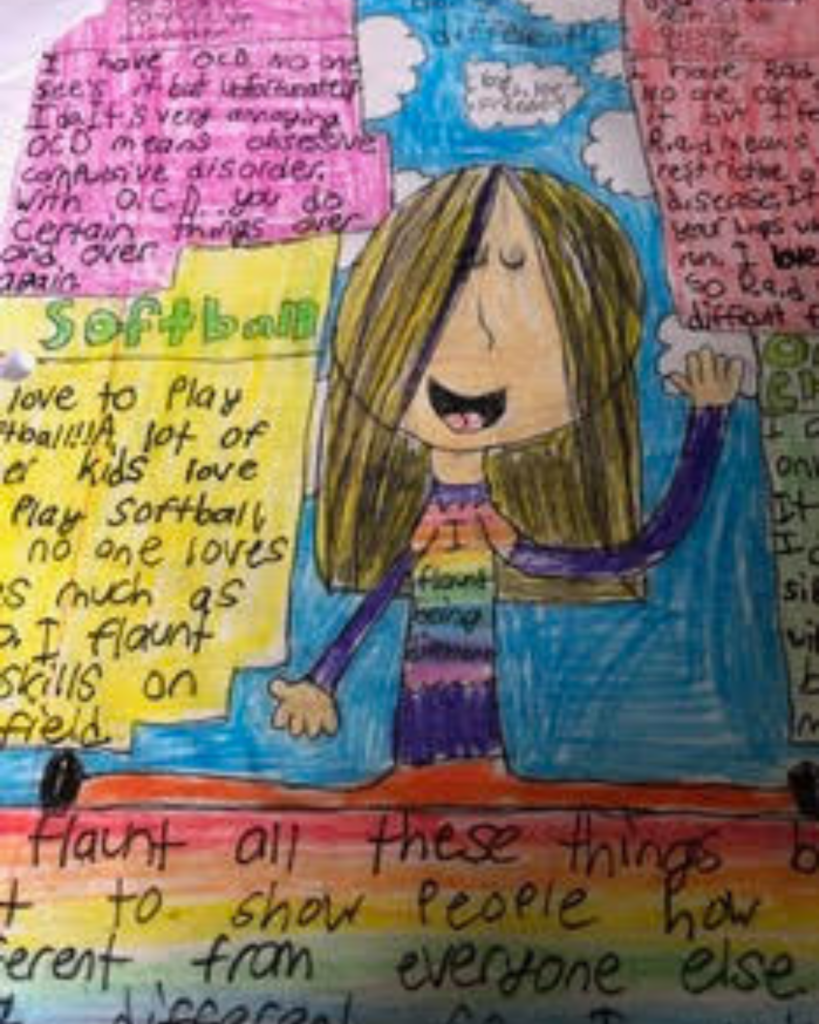
Drawing and writing are incredible ways to encourage students to share about themselves.
5. Support Students with SEL Resources
SEL programs like the Project Flaunt Hub offer structured lessons and activities that support emotional and social development. We’ve even aligned the Teacher Guide with national SEL standards, including the CASEL Competencies.

Project Flaunt Hub is a valuable resource for educators who want to create an inclusive environment. With clear strategies and engaging activities it helps teachers build a supportive atmosphere where all students belong.
By incorporating social-emotional learning into your daily classroom routines, you can create an environment where every student feels supported and included. SEL not only helps students develop essential life skills but also builds a culture of respect, understanding, and celebration. With tools like the Project Flaunt Hub, you have everything you need to guide your students toward becoming empathetic, self-aware individuals who celebrate what makes them unique.
For more tips and access to a ready-to-go lesson plan, visit the Project Flaunt Hub.