


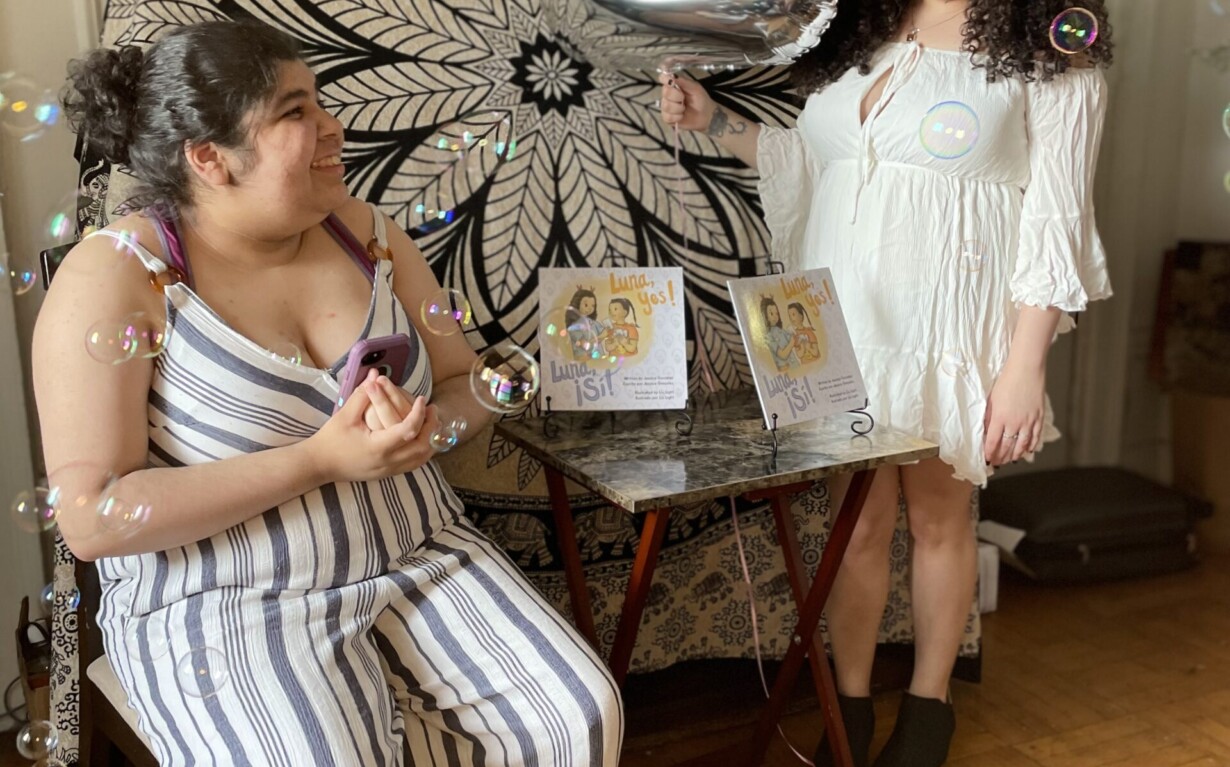
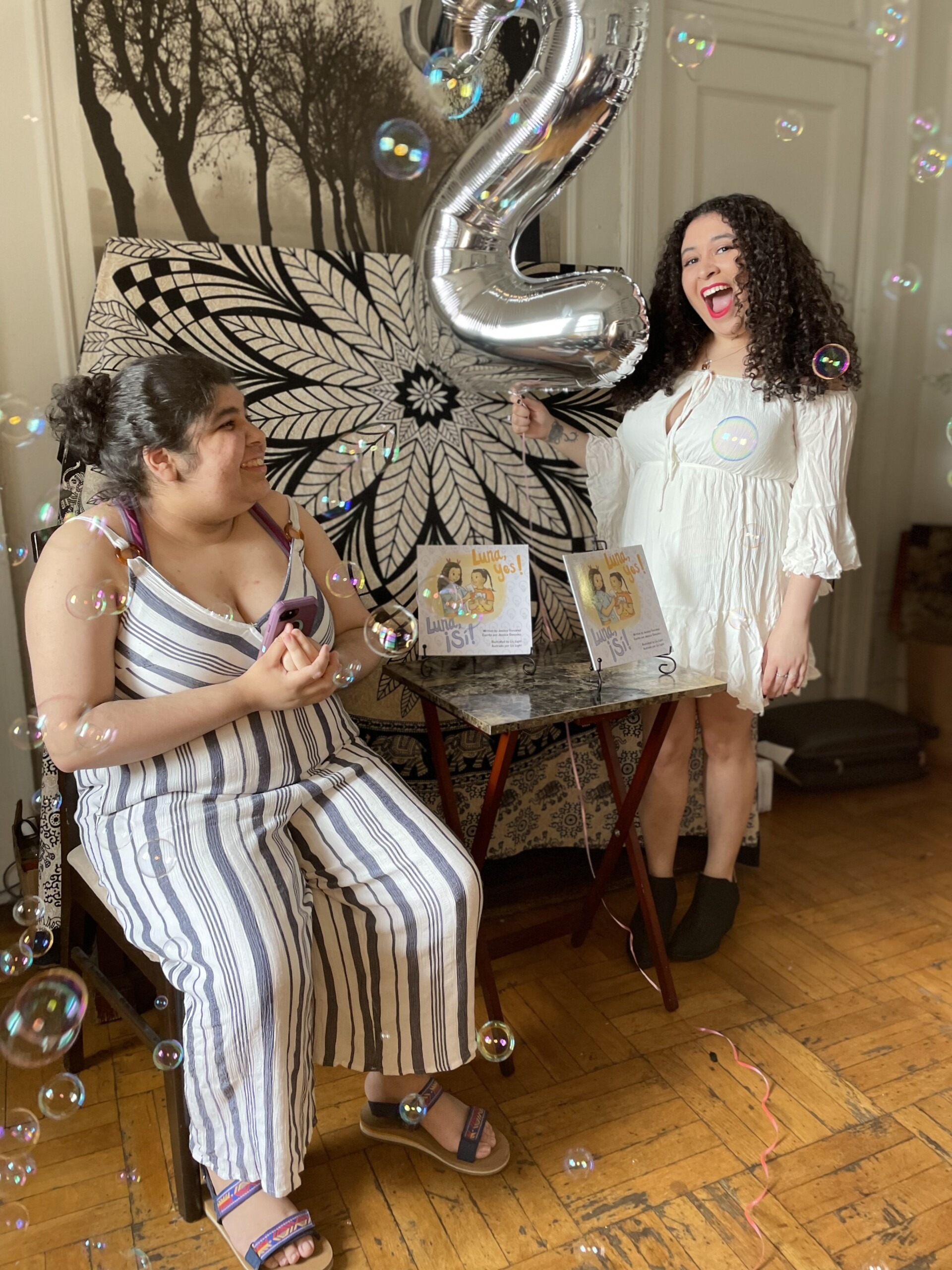
 It is that happy moment that we all remember from our childhood, the day that we are no longer alone, and we have someone we can rely on. For me, that day was when my sister, Lauryn, was born. It was one of the happiest days of my life. Although she was still so small and quiet, I was certain she’d be someone I would relate to, get into trouble with and go on adventures. However, the universe had a different plan for us.
By age one, Lauryn had all her abilities except for verbal. It wasn’t long after that she was diagnosed on the autism spectrum. This was back in 2004 when most people were still trying to understand neurological disabilities. The most disappointing part for me was hearing even the doctors that diagnosed her informing us that Lauryn was never going to be able to talk.
At eight years old, I knew that I was not going to give up on my sister even if the rest of the world might. My hope and faith in Lauryn even helped give my parents the will to not give up on her either. We were able to find great teachers, Speech-Language Pathologists, and services that helped her gain the ability to have a voice. Then, when my sister turned two years, she said her first word “dada”. She grew to become a strong girl who knew what she wanted and how to vocalize it in her own way. She had friends and people who loved her, but most people did not know about her having autism. As I got older and needed to decide what I wanted in life, I felt as though I needed to distance myself from my sister in order to find my own purpose. Among many different endeavors of politics, international relations, and possibly becoming a doctor, nothing quite satisfied me as much as helping people like my sister improve their verbal communication skills.
I eventually was drawn back in the disability community, studying Communication Science in hopes of becoming a Speech-Language Pathologist. But I knew there was more I could do to contribute to the life fulfillment of people born with autism. I wanted to create something that highlighted the amazing things about people like Lauryn and even find ways that others could connect to them. I not only wanted to help people learn about various disabilities but also make something fun that teachers, families, and others could enjoy. I started writing stories about my sister and discovered I wanted to create a sweet but realistic introduction to what it is like to have a little sibling with autism. This motivated me to create my first children’s book!
I wrote it for children in elementary school to help familiarize them with the concepts of autism and also educate them how kids like Luna, born with autism, may be different than what they might expect. If only they get to know them in real life! I took aspects of my sister to create the character of Luna and have them fall in love with her the same way we love my sister. While my sister is my muse and inspiration for my book and the future world of Luna and her sister Cassie (inspired by me), I make an effort to protect my sister’s privacy by keeping her away from all social media outlets. I am proud of my sister and love that I was able to create this fun and emotional book in her the book is intended to unite people of all abilities and create the same positive, happy, energy in the world that my sister has brought to mine.
I believe my sister was meant to come into my life to help me understand people like her and inspire a new world for people to escape to. I cannot express how grateful I am to have her in my life, and hope to create an amazing and fun world through the story of Cassie and Luna that can have our legacy live on forever.
Guest Flaunts