


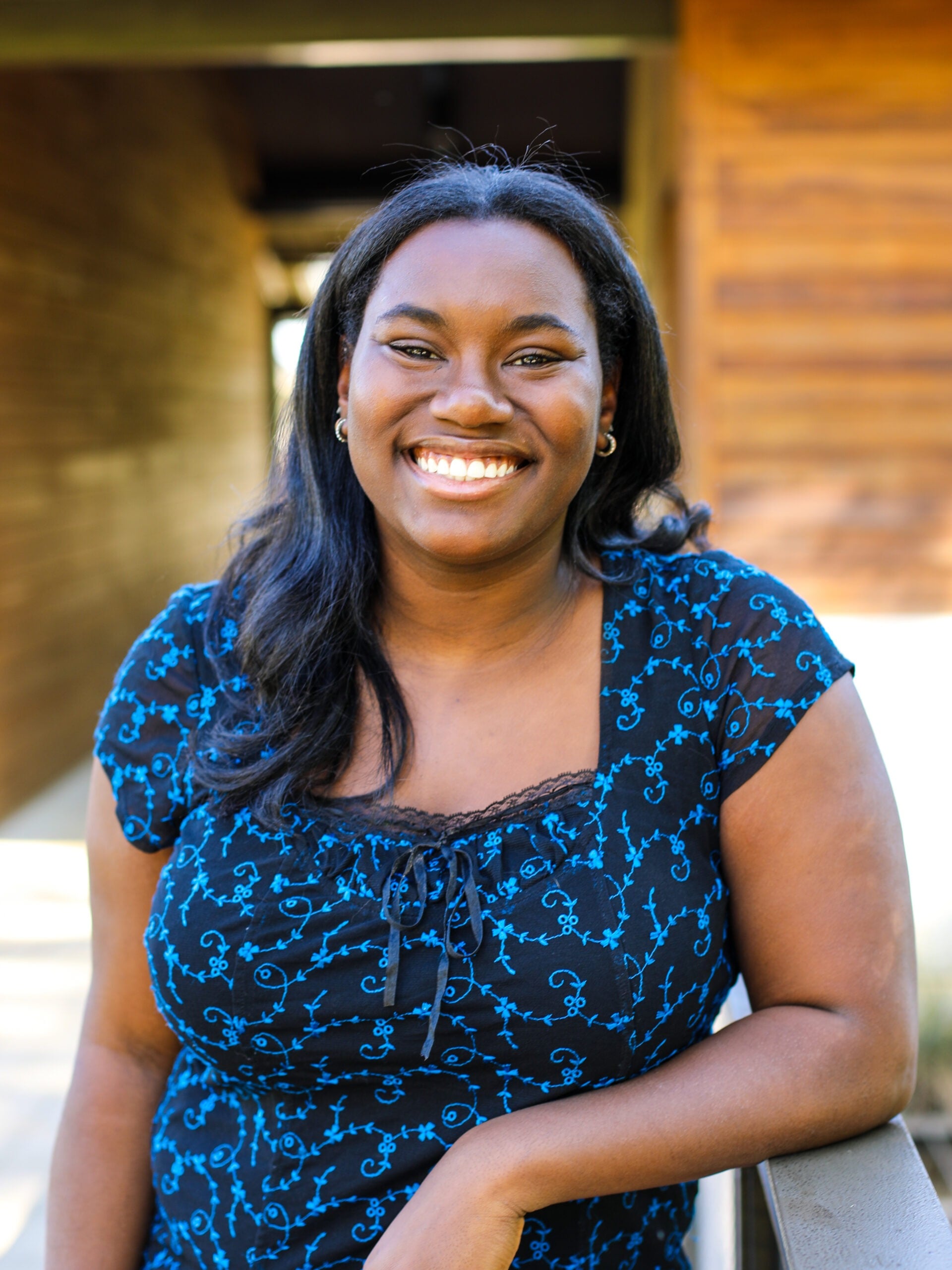
SCHOLASTIC ART & WRITING AWARD FLAUNT IT AWARD FINALIST (Essay): Throughout my life, I have struggled with loving myself and my complexities. In going to predominantly white schools for awhile, I was forced into questioning my value and the importance of my heritage why I had so much love for myself before others expressed otherwise. This piece expresses some of the hardships that I have faced toward becoming the version of myself that I love and the journey that I have made with my hair and embracing who I am. –Rezi Ubogu
One of the only black girls in her grade would plea for her mom to flatiron her hair. She found that an eager, “Could you please flatiron my hair?” on a Saturday afternoon did the trick. She loved her hair, and she didn’t particularly want to have it braided, but none of that mattered because above everything-she just wanted to be accepted. She didn’t wish to be an outsider and decided that since all the other girls at her Catholic kindergarten through eighth-grade school wore their pretty, straight hair down, she would too. She adopted the quiet voice of the other girls at school and attempted to abandon the loud Nigerian tone that she inherited from her father. More than anything that she had already altered, she no longer wanted to be Black, because the world proclaimed that the color of her skin was a disadvantage and not something to be proud of.
As I began high school, I started to feel more like a black sheep than I ever had before. I was one of the only African-American students in my grade, and out of the two, I was the only girl. I had struggled to make friends and began to equate my amount of friends with the color of my skin. Being myself was never enough for my peers, and I was often left in the dark about everything that I should’ve been a part of. All of these instances served as a reminder that I was never enough-my hair wasn’t blonde enough, my voice wasn’t quiet enough, my eyes weren’t light enough, my clothes weren’t expensive enough, and the biggest of all, I could never be who they wanted me to be.
After I finally stood up for myself after countless times of being excluded, I began to immerse myself in environments where I was wanted. My school’s varsity volleyball team became an outlet for me to meet people, and myteammates introduced me to the vast world that I was missing out on in disguising myself for others. I began the season timid and frightened (it didn’t help that I was the only freshman that was selected to play on the varsity team); however, after a few weeks of notuttering a word, practice began to seem less horrifying, and I began to find my voice. My newfound, authentic voice rang through my involvement in clubs, student government positions, and ensuring that I continue to be the powerful young woman that my parents raised. As my time in high school began to progress, my involvement grew, and I made true friends through my passions, rather thanforcing myself to be someone that I was not.
Years later, I continue to ask my mom to flatiron my hair, not as a plea to fit in, but because I no longer want to disguise who I am and my complex roots. My hair, personality, and skin will always remind me that I am different; however, being different is something that I have grown to be proud of. Being the black sheep isn’t a bad thing, and regardless of how disappointing it maybe at times, it makes me who I am. If I would have come to this revelation sooner, I guarantee that I would have made vastly stronger strides toward embracing who I am, but I wouldn’t change anything because this journey makes me who I am-the black sheep with slightly heat-damaged hair that has made a name for herself.