


 The Korean war broke out in 1950. Armistice agreements between North Korea and America were officially signed in 1953, which resulted in the division of Korea into North and South at the 38th Parallel. Military data list battle deaths at 33,652 and civilian deaths at 3,262.
However, the most significant human toll during the war was a polio epidemic ravaging the country. Countless innocent victims, mostly children, died. Those who were lucky enough to have survived were left with paralyzed limbs.
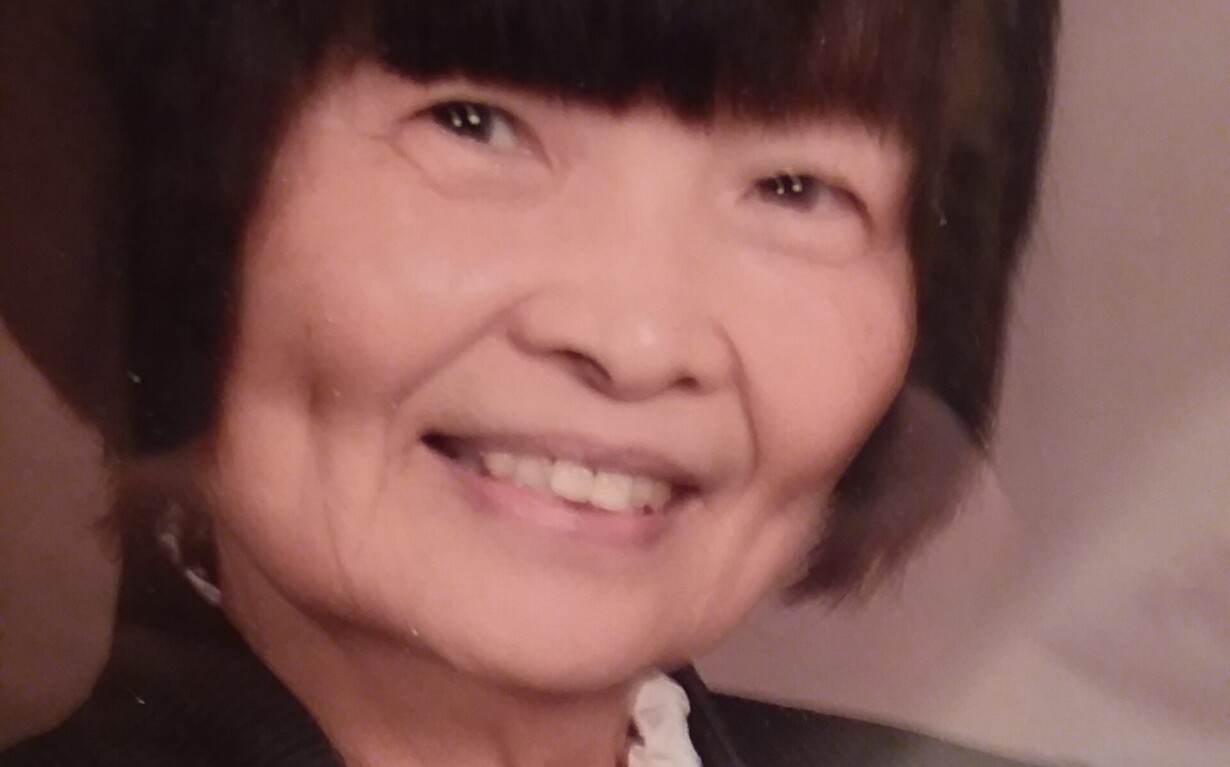
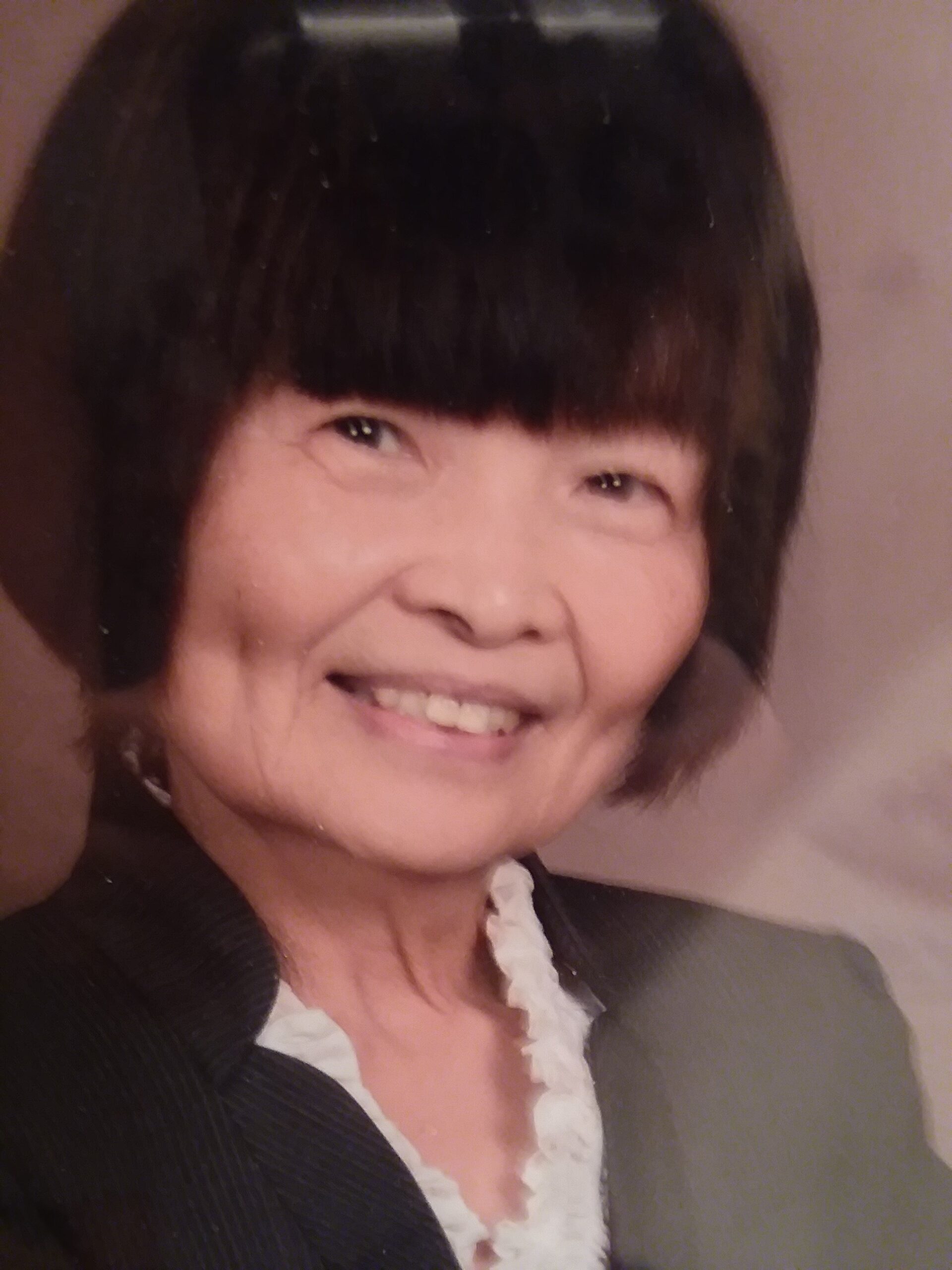
It seems odd to say that I was one of the “lucky” survivors. Unfortunately, however, polio left me with permanent damage of muscle weakness in my right leg. Consequently, my right leg is shorter and weaker than the left, which resulted in visible limping.
As a polio survivor, I endured many hardships and faced the challenges of living with a disability. Particularly as a sensitive teenage girl, being bullied and ridiculed for physical differences by other kids significantly affected my self-image.
In those days in Korea, the role of females was confined to marriage and childbirth. Due to my visible limping gait, I was told repeatedly that my prospect of arranged marriage was bleak at best. Who wanted a bride that looked like me? Even matchmakers wouldn’t sign up to help me. As a matter of fact, even a medical doctor advised me to learn to walk slowly in order to minimize noticeable limping. It was the best advice doctor could offer to a young girl who will soon grow up to be a lady in need of a husband.
I poured all of my energy and efforts into studying in order to carve out my future as an unmarried lady. I desperately needed to prepare myself to be financially self-sufficient.
I believed that everybody in America was a millionaire, and therefore dreamed of coming to the USA to study. Having a degree from an American higher education institution would guarantee my future professional career and promise an escape from the poverty that I had suffered all my life up to that point.
Besides, although I was told there’s no cure for polio, I secretly hoped that advanced medical technology in America would offer me some type of treatment. Wishful thinking on my part!
In 1974, I won a United Nations Educational, Scientific, and Cultural Organization (UNESCO) scholarship for an advanced degree in the United States of America.
While studying at the University of Missouri, I met a handsome American male student, Nevin. He’s fallen head over heels for me. Nevin and I embarked on a whirlwind romance. His unconditional love has freed me from the poor self-image that I had carried around for a long time. I had been a prisoner in my own mind. I was no longer self-conscious about showing my deformed right leg. For the first time in my life, I learned to embrace my body image and turn up my newly discovered self-love. I was able to wear miniskirts, shorts, or swimming suits without the feeling of shame. In addition, I confidently started to wear my true-size clothing as opposed to baggy clothes. At last, I did not have the urge to hide my body with loose coverings.
Soon, marriage and the birth of my precious daughter followed. My physical disability no longer defined me and I was finally living my dreams beyond my expectations. I took pride in my intellectual capacity, academic achievements, my body image, and my tremendous love for my husband as well as my daughter.
Upon completion of a MA degree in counseling & guidance, I landed a government job at the Bureau of Vocational Rehabilitation in Las Vegas, Nevada. As a testing psychologist, I assisted people with disability in gaining meaningful employment. I take tremendous pride in championing the triumphs of disabled people for the past 23 years.
From 1999 till my retirement in 2017, I worked as a Director of Testing at the College of Southern Nevada. My specialty was to provide accommodations to the students with disabilities in any type of testing situation.
In 2019, I self-published a memoir titled, “Don’t Walk Fast.” It highlights my life-long struggle to overcome the social stigma associated with disability.
In 2020, my fictional book titled “Little Person’s Big Journey” was published. A Korean baby girl with dwarfism was abandoned at birth, grew up in an orphanage, and later was adopted by an American dwarf couple. Despite all the challenges she faced in a brand-new American culture, she became a successful business owner.
Recently, I was fortunate enough to read a story about Meg Zucker. I am very much impressed with her work. As a 73-year-old polio survivor, I salute her. She is my idol!
I wish I had met Meg when I was much younger. When I felt ashamed of my body, she would have inspired me to not hide my physical disability but to flaunt it instead.