
At Don’t Hide It, Flaunt It, our goal is to promote inclusion and belonging curriculum for students to help people celebrate the things that make them unique. At Don’t Hide It Flaunt It (DHIFI), we have a strong belief in the power of embracing differences and nurturing environments where everyone is capable of feeling recognized, valued and heard. We aim to promote acceptance, empathy, and self-confidence for individuals of all backgrounds through a range of programs.
An Inclusion Program Program
We believe that inclusivity activities for educators is truly capable of making a difference in the world. At the core of DHIFI’s work is Social Emotional Learning. SEL gives individuals – students in particular – with the resources to understand and control their emotions, develop strong interpersonal skills, and improve decision-making skills. SEL activities offer a lot of benefits for both teams and individuals. Some examples include improvements in communication, increased empathy, and stronger team building. Building connections with themselves and others, these activities help establish the social skills necessary for personal success and academic achievement. If you’re curious about the potential of a SEL curriculum, we’re here to help you get started.
An Inclusion Curriculum For Students
We also focus on Inclusion programs for educators together with social emotional learning activities. Creating environments where each individual feels a sense of inclusion, no matter their race, gender, background, or abilities is the goal of our Inclusion programs. Beyond basic inclusion, we promote inclusion and inclusion, with a goal of making certain equal access to the same opportunities. Our programs benefit schools, corporations, and communities with engaging formats that address topics across a wide range.
An Inclusion Program Curriculum
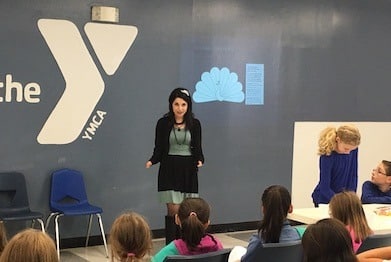
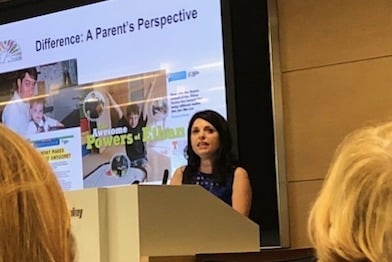
Supporting icebreaker activities for middle school at DHIFI encompasses community, school and corporate. Our Speaking Engagements focus on motivational talks that confront preconceived notions about disabilities and differences. By promoting personal creativity through art, in addition to fostering inclusion and empathy, participants experience impactful activities in our interactive programs. Focusing on celebrating the things that make us unique and fostering an atmosphere of respect and kindness among peers, these programs spark a vital dialogue. To ensure a long-term impact on all who participate, each program is tailored to the individual needs of the audience. Experience the difference we can make with icebreaker activity ideas families.
Acceptance Activities For Students
Founded on the principle that differences should be embraced, not suppressed, DHIFI’s mission is to encourage individuals to celebrate what makes them different through icebreaker activity ideas elementary school. Nothing is more important to us that people celebrate their differences as a central aspect of who they are. Whether through narrative sharing, keynote addresses, or seminars, our objective is to build a world where inclusion is celebrated and valued. Communities where everybody feels inspired to celebrate their differences can only be achieved through encouraging understanding and respect.
Examples of Social Emotional Learning Activities for Schools
As an educator, you might be curious about ways to integrate SEL activities for educators into your school curriculum. There’s a variety of ways to achieve this without too much of your schooldays being taken over. We are here to give you a few ideas to help students celebrate their differences at DHIFI. Some examples include:
- Sharing quotes
- Sharing stories
- Coping strategies
- Journal entries
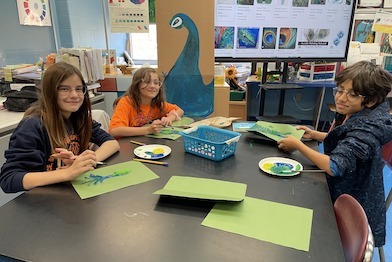
- Arts and crafts
- Positive affirmations
- Show-and-tell
Bullying Prevention Activities Anti-Bullying Workshops For Universities
Central to our mission at DHIFI is our focus on disability acceptance training for students. A gap in understanding and acceptance of differences is a common cause of bullying. We confront the core issues behind bullying and equip students strategies to oppose it through interactive activities and candid discussions. The importance of empathy, kindness, and respect can’t be overstated. This is the reason students learn to recognize behaviors of bullying in their communities and stand against them. Our programs are aimed at more than just raising awareness. Our goal is for students to transform into active advocates for meaningful change. This is the reason an environment that’s more inclusive and secure can be built for everyone. If you want to learn more about disability education training for organizations, don’t hesitate to .
Icebreaker Activity Ideas For Middle School
Project Flaunt provides self acceptance activity ideas kids that foster a sense of connection and inclusion. Encouraging individuals to embrace their differences and tell their stories to others, Project Flaunt is an innovative initiative. Storytelling sessions where students talk about how their differences affect their perspectives, collaborative efforts that celebrate individual strengths, and icebreakers where students reveal something unique about themselves are examples of these activities. Through these activities, students not only learn more about each other, they also gain a deeper appreciation for differences within their classroom, at home, and in the wider community.
Social Emotional Learning Program For Youth Groups
Inspiring individuals to celebrate their differences and create a world that’s more inclusive through social emotional learning activities for educators is our clear mission at DHIFI, with all we do. We strive to foster environments where understanding and acceptance thrive through our diverse range of programs. For more information on our programs, visit us today.


