


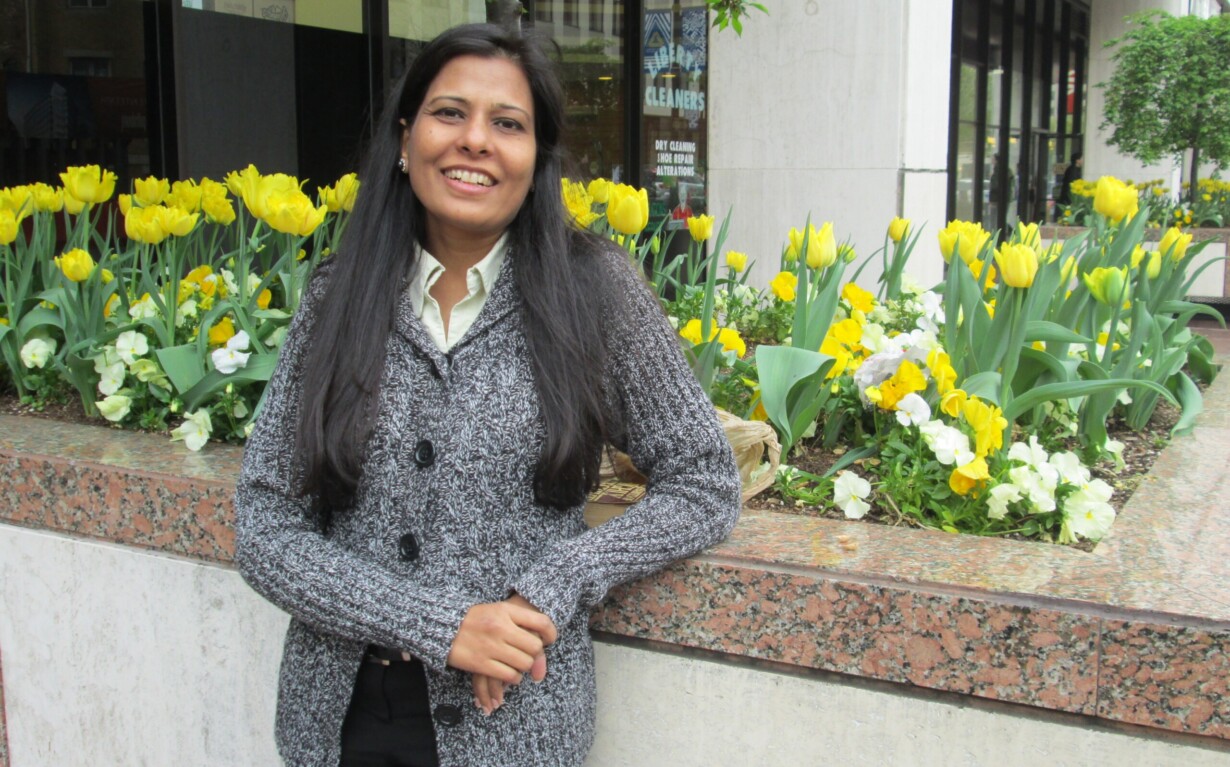
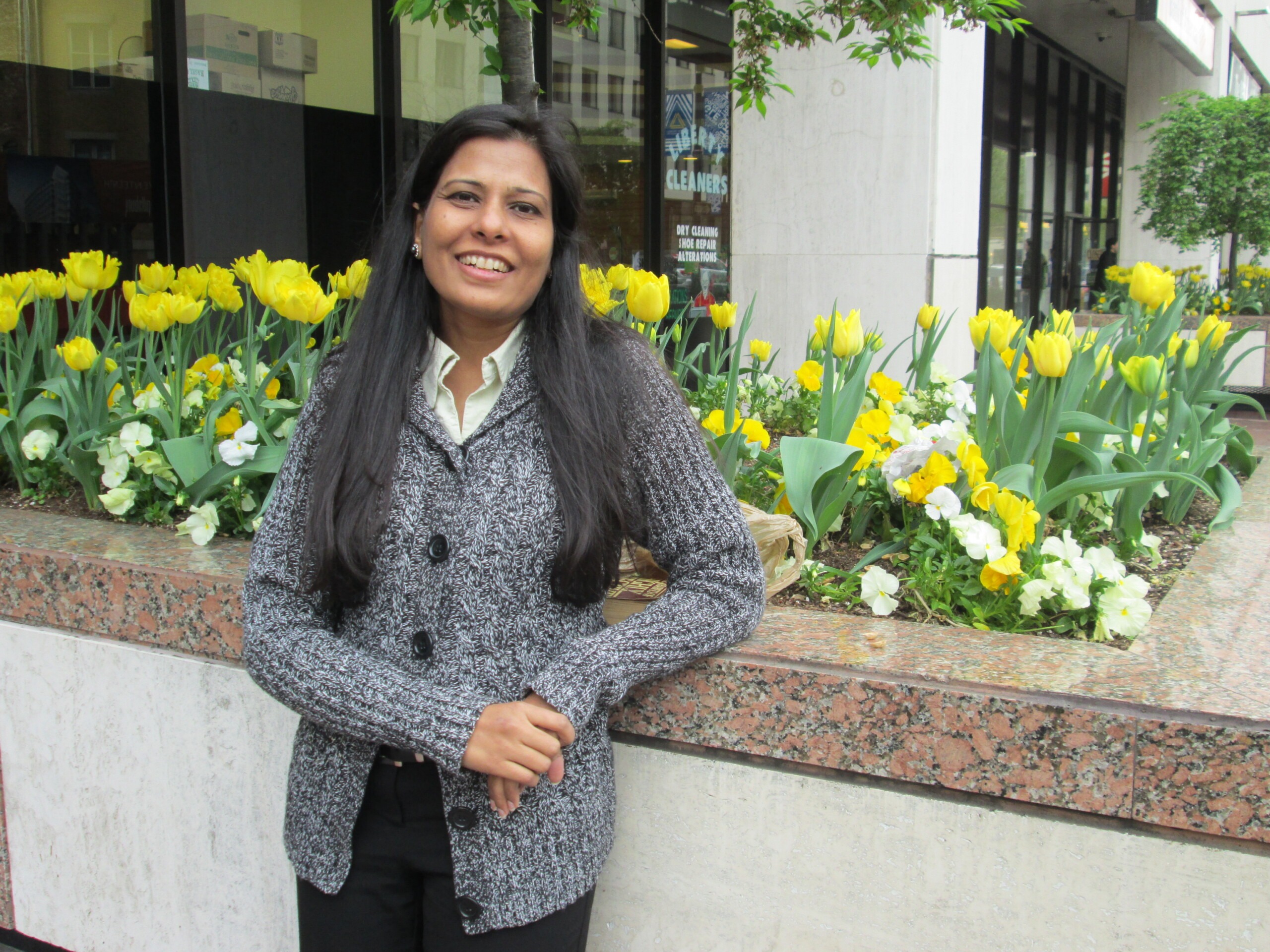
 I came to the U.S. as a student in 2011. In the departure orientation at the United States Educational Foundation in Pakistan, we were told to be prepared for a cultural shock and to explain our country and culture to American and other students from around the world. I was amazed by the embrace I received in the US, from my university administration to students to ordinary Syracuse residents, who smiled and said hello as I daily walked to school. The cultural shock and “missing home’ blues I was waiting for never arrived. Having grown up on a regular dose of Hollywood movies, TV sitcoms, and American music, little surprised me except that boiled corn on the cob is eaten with butter on it. Ironically, I felt more at home in a foreign land than I ever felt in my own country.
Years ago, I remember standing with a group of cousins, all of us 7-8 years in age, comparing the color of our hands, the fairest being the most beautiful. I was dejected because I had the darkest skin. The message of dark being ugly was so consistent that in family functions, I started hiding my feet, which were darker than the rest of my body. Every night I prayed to God to make me beautiful, i.e. fair. I used to wonder about a very dark girl at school, who was very confident and even had fair-skinned friends. May be she’s from an educated and wealthy family, I would think, which is why her complexion doesn’t bother her.
My own father was a bicycle repair mechanic. As children we used to deliver lunch at his shop where he sat on the mud floor to repair tire punctures or adjust seat or correct wheel alignment in bicycles that people brought to him. Every night my mother would wash his smelly outfit soiled in mud, grease and grime from the cycles he repaired. This was in stark contrast to the clean starched, ironed clothes that the middle class parents of my class fellows worked in. Despite his humble means, my father made sure to send us to a private English-medium school, where middle class parents sent their children.
I wasn’t aware at first, but over the year one incident after another demonstrated I was different from my classmates. My parents understood only a few words of English, while parents of other children communicated in refined English. My mother wore a burqa (black robe that covered her from head to toe, including face); other mothers didn’t even cover their heads. I knew all of my classmates lived in beautiful, well-furnished homes in nice neighborhoods. Most probably they had their own rooms, or that’s what I imagined. In contrast, I lived in a three-room accommodation in a noisy neighborhood with my parents, four younger siblings and grandmother. I never dared to invite school friends home.
I wanted people to think well of me, so I sometimes pretended what I was not. Other times, I would edit details of what was happening at our house to make it look good to my friends. It was like walking on a tightrope because some things I couldn’t simply pretend. For instance, I couldn’t pretend that my parents had a car, because I was daily seen standing on a bus stop near school to go home. Years later, when my father went to drop off my sister at a prestigious university in Islamabad, I requested him not to share with anyone what he did for a living, because it would spoil her “image’ at her department. We felt so vulnerable to what others thought or said about us that we never ever dared to be ourselves.
My experiences in the U.S. offered me some insights into how to live with one’s difference. When we first experience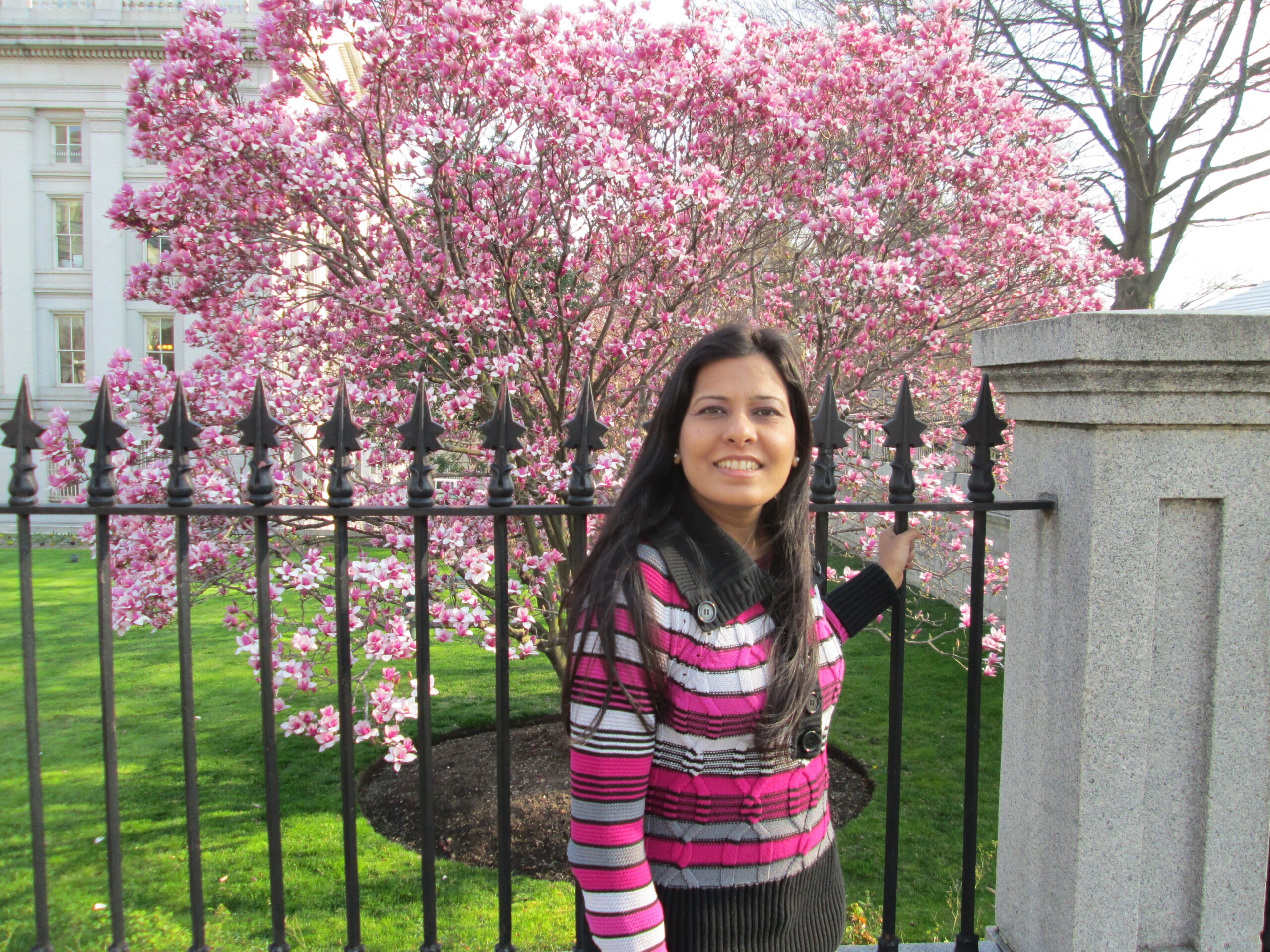 stares, whispers or other gestures of disapproval, it creates bad feelings and sensations in our body. These responses get stored in our subconscious mind and are triggered when we think about old instances or imagine futures events that might evoke disapproval. This correlation between what people are thinking and bad feelings could be broken though. The first step is to accept oneself. In the US, I wore my difference on the sleeve and did not really care what others were thinking. It looks like the embrace I received was actually the embrace I gave myself. But it is not easy to shed the baggage of old thinking patterns. I still felt bad when I thought about my home in Pakistan. I am grateful for having had the opportunity to read Meg’s blog, which showed me how to love and accept oneself completely, unconditionally.
Guest Flaunts